
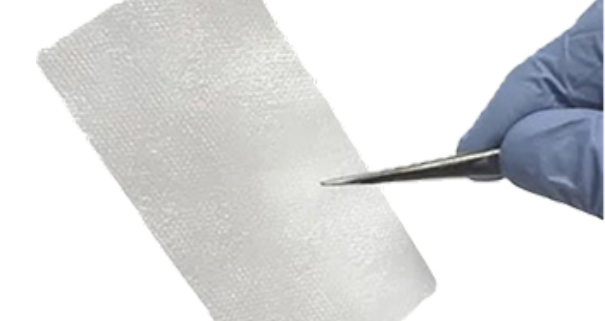
Healing chronic and complex wounds has long been one of the biggest challenges in modern medicine. From diabetic ulcers to traumatic injuries, countless patients struggle with wounds that simply refuse to close on their own. In recent years, however, a breakthrough category of biologic materials has emerged—amniotic allografts—offering clinicians a powerful new tool for supporting advanced wound recovery.
These biologically active materials are changing the way physicians, specialists, and wound care centers approach both routine and complicated cases. Companies focused on regenerative technologies, including industry innovators like Life Biologics, are helping medical professionals access safer, more effective, and more scientifically advanced solutions than ever before.
This blog explores how leading-edge skin substitutes for wound healing, innovative graft technologies, and next-generation tissue products are reshaping patient outcomes.
The Challenge of Chronic Wounds in Modern Healthcare
Millions of individuals suffer from wounds that do not progress through the normal stages of healing. Conditions such as diabetes, vascular disorders, and immune deficiencies often complicate recovery, causing wounds to become chronic and potentially life-threatening.
Traditional treatments—topical dressings, debridement, antibiotics, and compression—can offer relief but often fall short in stimulating true regenerative healing. This gap in care is what led to the development of advanced wound care products designed to mimic, support, or replace damaged tissue structures.
As the clinical need grew, so did the scientific push for more effective, biologically active solutions.
Why the Wound Care Field Looks Toward Biologic Grafts
Biologic grafts fill a critical role in the healing process. Unlike synthetic materials, biologics contain natural components that support cell migration, growth, and tissue regeneration.
Among these, amniotic tissue is one of the most powerful and clinically versatile. Rich in growth factors, extracellular matrix proteins, and anti-inflammatory molecules, it has become a cornerstone of modern wound technology.
This is why amniotic tissue companies are increasingly central in the medical supply chain, providing clinicians with high-quality materials that deliver measurable improvements in healing speed, tissue quality, and patient comfort.
Skin Substitutes: What They Are and How They Work
The term skin substitutes for wound healing refers to both biologically derived and engineered materials designed to temporarily or permanently replace damaged skin layers.
These products serve vital purposes, including:
- Protecting the wound environment
- Reducing inflammation
- Supporting cell growth and migration
- Minimizing infection risk
- Encouraging natural tissue regeneration
Unlike older generations of grafts, today’s biologically derived substitutes integrate more seamlessly into the body and can promote true structural rebuilding rather than just covering a wound.
Understanding the Power of Amniotic Allografts
Amniotic allografts are derived from the innermost layers of the placenta. Decades of scientific research confirm that these materials contain:
- High concentrations of regenerative growth factors
- Collagen-rich extracellular matrix
- Anti-scarring molecules
- Natural anti-inflammatory cytokines
- Antimicrobial properties
This combination makes them highly effective for a wide range of wound types, including:
- Diabetic foot ulcers
- Venous leg ulcers
- Pressure sores
- Burns
- Post-surgical wounds
- Trauma-related injuries
Healthcare professionals appreciate that amniotic grafts are easy to apply, safe for clinical integration, and do not require complex preparation.
Key Products Reshaping the Biologic Wound Care Industry
As the market evolves, several specialized products have become essential tools for surgeons and wound care specialists.
1. AmnioAMP-MP
This advanced amniotic membrane product supports wound environments with naturally occurring biological components that promote regeneration. Its multi-layer processing helps preserve key structural elements, making it ideal for chronic, deep, or non-healing wounds.
2. Allopatch Graft
The Allopatch graft category typically includes allograft materials designed for structural reinforcement. These grafts are widely used in surgical, trauma, and wound reconstruction scenarios where strength and integration are essential.
3. Helicoll Graft
The Helicoll graft is a collagen-rich skin substitute that assists with cellular infiltration and tissue repair. It is particularly effective in providing a supportive matrix that helps wounds transition from inflammation to regeneration.
4. Membrane Wrap Graft
A membrane wrap graft provides protective coverage and supports healing in delicate or highly exposed wound areas. These wraps are commonly used in surgical procedures where shielding sensitive tissue is crucial.
Each of these solutions plays a unique role, and clinicians often select them based on wound depth, chronicity, patient health, and desired healing outcomes.
What Sets Modern Skin Graft Companies Apart
A top-tier skin graft company is distinguished by rigorous quality standards, scientific innovation, and ethical sourcing. The most trusted brands in the space operate with:
- Advanced sterilization and processing technologies
- Full traceability of tissue sources
- Compliance with regulatory bodies and medical guidelines
- Extensive clinical testing
- Research-driven product development
These standards ensure that physicians receive biologics that are safe, potent, and reliable for patient care.
Why Amniotic Tissue Continues to Lead the Market
With increasing demand for biologically active wound solutions, amniotic-based products have surged in popularity due to their:
- Natural compatibility with human tissue
- Wide range of clinical applications
- Strong anti-inflammatory benefits
- Ability to reduce scarring
- Potential to enhance healing speed
As clinicians seek more effective therapies for chronic wounds, the role of amniotic biologics continues to expand.
The Future of Advanced Wound Care
The next era of wound management will focus on personalized regenerative solutions. Innovations in tissue engineering, growth factor preservation, and biologic processing are expected to produce even more effective products.
Looking ahead, collaboration between researchers, clinicians, and biotechnology companies will continue to accelerate breakthroughs—ensuring patients receive wound care that is safer, faster, and more effective than ever before.
Biologic grafts are no longer just helpful supplements; they are rapidly becoming the foundation of advanced wound treatment protocols worldwide.
Final Thoughts
The wound care industry is undergoing a transformation, driven by innovative biologic materials, cutting-edge grafts, and the expanding capabilities of modern tissue technologies. With powerful solutions such as AmnioAMP-MP, Helicoll graft, Allopatch graft, and membrane wrap graft, clinicians can now treat complicated wounds with greater confidence and better outcomes.
As research deepens and regenerative medicine progresses, amniotic allografts will continue to influence the future of healing—helping patients move toward recovery with less pain, less complication, and far greater hope.