
Exploring the psychology of risk How casinos manipulate player behavior
The Allure of Gambling
The psychology of risk plays a fundamental role in the allure of gambling. Casinos create an environment that tantalizes players, making them feel a sense of excitement and anticipation. This thrill is often amplified by the atmosphere of the casino, including bright lights, sounds of winning machines, and the overall energy of the crowd. Players are drawn in by the potential for high rewards, which can cloud their judgment and lead to risky behavior. As they explore the options, many might even consider trying out a české online casino for added excitement.
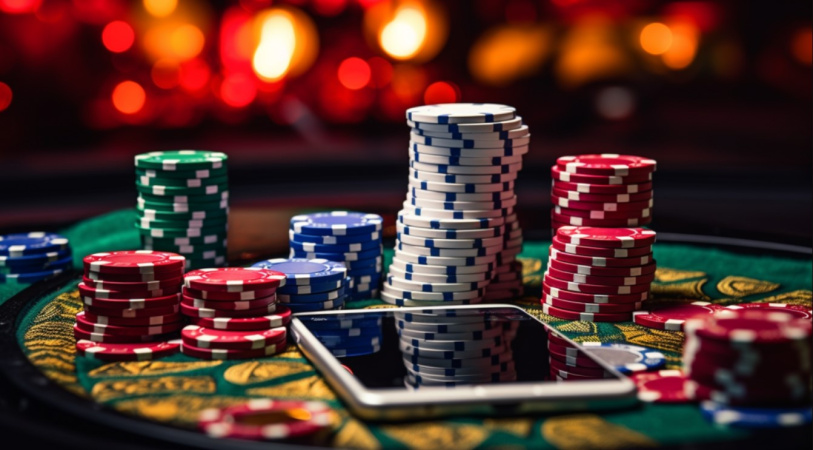
Furthermore, the concept of near misses significantly affects player behavior. When individuals almost win, their brains release dopamine, a neurotransmitter associated with pleasure. This feeling can lead them to believe that they are close to winning, motivating them to continue playing despite the odds stacked against them. The continuous cycle of hope and anticipation is a powerful psychological tool that casinos exploit to keep players engaged.
The Role of Conditioning
Casinos often utilize conditioning techniques to manipulate player behavior subconsciously. This may include the use of rewards, such as complimentary drinks or loyalty points, which condition players to associate the casino environment with positive experiences. Over time, players become conditioned to return to the casino, seeking both the thrill of gambling and the rewards that come with it.
Moreover, the layout of the casino is meticulously planned to enhance this conditioning. Games are strategically positioned to increase exposure and make it easier for players to engage. The sensory experience—ranging from the sights and sounds of slot machines to the tactile feel of chips—further reinforces this conditioning, making it hard for players to resist the urge to gamble.
The Illusion of Control
Another psychological factor at play is the illusion of control, where players believe they can influence outcomes despite the randomness inherent in casino games. Many players develop superstitions or rituals they believe will improve their chances of winning. This mindset can lead to increased betting and risk-taking, as players feel empowered by their perceived ability to sway the odds in their favor.
Casinos capitalize on this illusion by offering games that allow some level of decision-making, such as poker or blackjack. Players often feel a greater sense of agency in these games, leading them to underestimate the house edge and overestimate their chances of success. The strategic design of these games reinforces the belief that skill and strategy can lead to financial gains.
Social Influences on Gambling
Social dynamics also play a crucial role in shaping player behavior in casinos. The presence of others can create a communal atmosphere, where players feed off each other’s excitement and energy. This can lead to a phenomenon known as social reinforcement, where individuals are more likely to engage in gambling due to the actions and behaviors of those around them.
Additionally, the concept of social proof becomes significant in gambling environments. When players see others winning or enjoying themselves, they are more likely to join in, believing that they, too, can achieve similar success. This collective enthusiasm can lead to increased risk-taking, as individuals feel emboldened by the social context of the casino.
Understanding Casino Marketing Strategies
Casinos are not just places for games; they are marketing powerhouses that understand and exploit psychological triggers to influence player behavior. From loyalty programs to targeted promotions, the marketing strategies employed by casinos aim to create lasting relationships with players. These strategies are designed to ensure that players return frequently, often leading to higher spending.
Moreover, casinos carefully monitor player behavior and preferences to tailor their marketing efforts. This personalized approach not only enhances player satisfaction but also deepens their emotional connection to the casino experience. As players receive targeted offers and rewards, they are more likely to perceive the casino as a friendly, welcoming environment, further encouraging their participation in gambling activities.
Leave a Reply
Want to join the discussion?Feel free to contribute!